
No products in the cart.
Reducing Inflammation: Can Fish Oil Supplements Help?
Do Fish Oil Supplements Truly Reduce Inflammation? An In-Depth Health Analysis
Chronic inflammation is a silent orchestrator of numerous health challenges, impacting everything from joint comfort to cardiovascular health. Managing inflammation is crucial for sustained well-being and peak performance. As you navigate the complexities of digital creation, understanding how to support your body’s vital functions becomes paramount. This quest for better health often leads many to explore the world of supplements, with fish oil supplements frequently emerging as a top contender. But do these popular supplements truly reduce inflammation? Let’s dive into a detailed analysis, exploring the science, benefits, and how fish oil fits into a holistic healthcare strategy.
Understanding the Inflammatory Response and Its Impact on Your Health
Before we delve into fish oil, it’s essential to grasp what inflammation is and why managing it is so vital for your health. Inflammation is your body’s natural defence mechanism, a complex biological response to harmful stimuli such as pathogens, damaged cells, or irritants. Acute inflammation is a quick, localized response—think of the swelling and redness around a cut. It’s a necessary part of the healing process.
However, the problem arises with chronic inflammation. This low-grade, persistent inflammation doesn’t resolve itself and can silently damage tissues and organs over time. It’s been linked to a spectrum of serious conditions, including heart disease, diabetes, arthritis, and even certain neurodegenerative disorders. For those in high-demand professions, chronic inflammation can manifest as persistent fatigue, brain fog, and reduced immunity, directly impacting productivity and creativity. Optimizing your body’s internal environment is a proactive step towards maintaining long-term vitality.
While a balanced diet rich in vitamins and minerals is foundational, many turn to additional support. This is where supplements like fish oil come into play, offering a concentrated source of beneficial compounds aimed at bolstering your body’s defences.
The Power of Omega-3s: The Active Ingredients in Fish Oil Supplements
The star players in fish oil supplements are omega-3 fatty acids, specifically eicosapentaenoic acid (EPA) and docosahexaenoic acid (DHA). These polyunsaturated fats are deemed “essential” because your body cannot produce them on its own; you must obtain them through diet or supplements. Found abundantly in fatty fish like salmon, mackerel, and sardines, EPA and DHA are not just any fats—they are fundamental building blocks for healthy cells throughout your body, including your brain and eyes.
What makes EPA and DHA particularly relevant to inflammation is their powerful anti-inflammatory properties. Unlike pro-inflammatory omega-6 fatty acids, which are abundant in many Western diets, omega-3s actively work to cool down your body’s inflammatory response. They do this by being incorporated into cell membranes, where they can then be converted into compounds called resolvins and protectins. These compounds are adept at promoting the resolution of inflammation, essentially telling your body to calm down after an inflammatory event.
Key Takeaway: Fish oil supplements deliver a potent dose of EPA and DHA, critical omega-3 fatty acids known for their significant anti-inflammatory capabilities.
How Do Fish Oil Supplements Reduce Inflammation? The Mechanisms
The question isn’t just if fish oil supplements reduce inflammation, but how. The mechanisms are multifaceted and increasingly understood by scientific research:
– Modulating Inflammatory Pathways: EPA and DHA interfere with the production of pro-inflammatory eicosanoids, such as prostaglandins and leukotrienes, which are derived from omega-6 fatty acids. By essentially “competing” for the same enzymes, omega-3s shift the balance towards less inflammatory mediators.
– Reducing Inflammatory Cytokines: Omega-3s can decrease the synthesis of cytokines, which are signaling molecules that promote inflammation. This includes reducing levels of tumor necrosis factor-alpha (TNF-α), interleukin-1 beta (IL-1β), and interleukin-6 (IL-6)—all key players in chronic inflammatory diseases.
– Enhancing Resolving Pathways: As mentioned, EPA and DHA are precursors to specialized pro-resolving mediators (SPMs) like resolvins, protectins, and maresins. These compounds actively resolve inflammation rather than just suppressing it. They promote the clearance of cellular debris and the healing of damaged tissues.
– Supporting Immune Cell Function: Omega-3s can influence the function of various immune cells, including macrophages and T-cells, guiding them towards a less inflammatory state and promoting overall immune balance.
Scientific Evidence: Do Fish Oil Supplements Work?
Numerous studies have explored the efficacy of fish oil supplements in reducing various markers of inflammation and alleviating symptoms of inflammatory conditions.
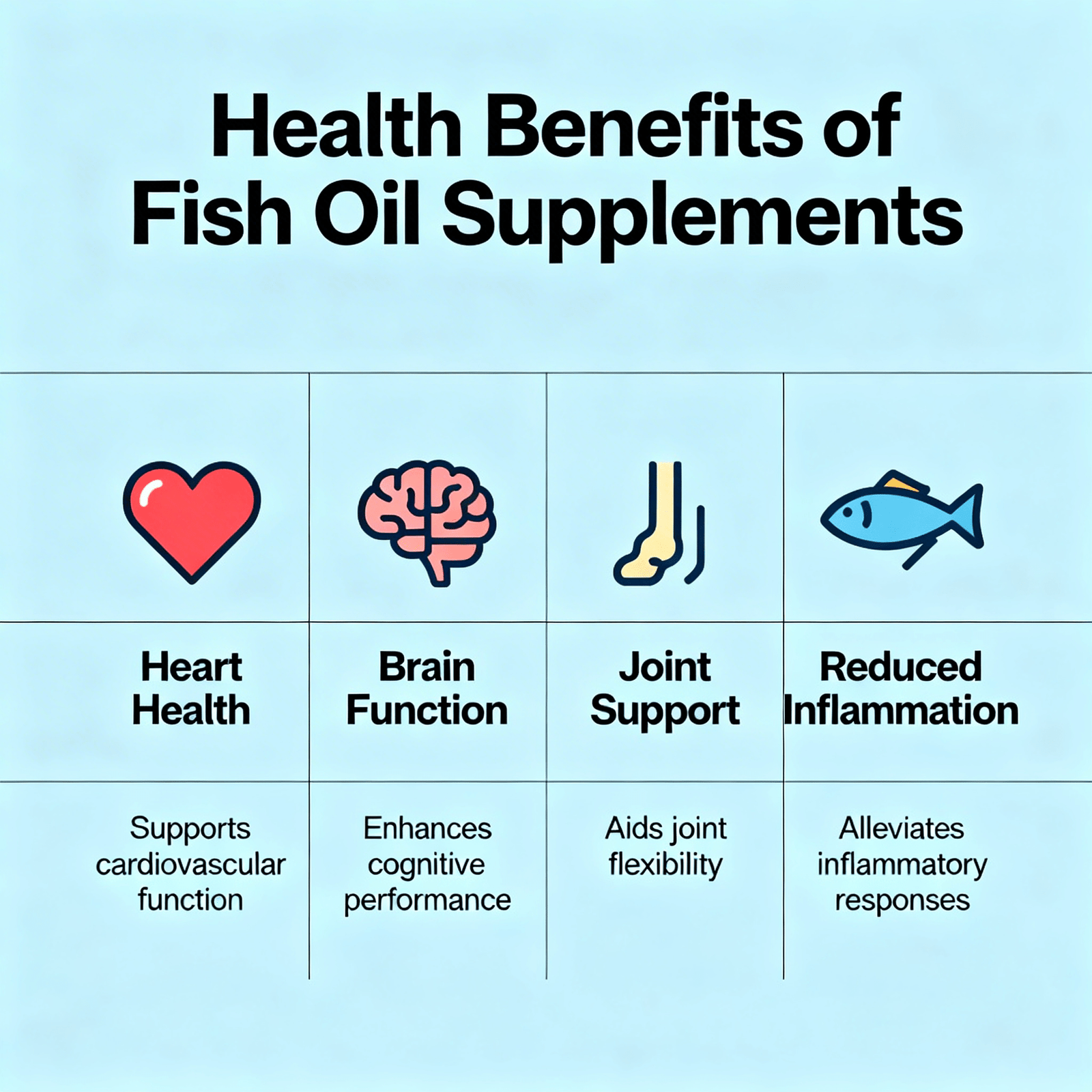
– Rheumatoid Arthritis: Research consistently shows that omega-3 supplementation can significantly reduce joint pain and stiffness, morning stiffness, and the need for non-steroidal anti-inflammatory drugs (NSAIDs) in individuals with rheumatoid arthritis.
– Cardiovascular Health: Chronic inflammation plays a significant role in the development of atherosclerosis. Fish oil has been shown to improve various risk factors, including reducing triglyceride levels and improving endothelial function, contributing to better heart health.
– Brain Health and Mood: While inflammation is widely recognized in physical ailments, neuroinflammation is a growing area of concern. Some studies suggest omega-3s may have a role in mitigating inflammation in the brain, potentially influencing mood regulation and cognitive function.
– Gut Health: Emerging research indicates that omega-3s can positively influence gut microbiota and reduce gut inflammation, which is a foundational aspect of overall health.
It’s important to note that while the evidence is strong, individual responses can vary depending on dosage, consistency, and specific health conditions. The quality of the supplements also plays a crucial role in their effectiveness.
Ready to uncover more cutting-edge insights into optimizing your health and well-being? We regularly share research-backed strategies for a healthier, more productive life. [Subscribe Now] for exclusive content delivered straight to your inbox!
Choosing the Right Fish Oil Supplement for Your Health
Given the vast array of fish oil supplements on the market, selecting a high-quality product is essential to ensure you’re getting the full benefits and to truly reduce inflammation.
Consider the following:
– Purity and Concentration: Look for supplements that are third-party tested for purity to ensure they are free from heavy metals (like mercury), PCBs, and other contaminants. Check the label for the total amount of EPA and DHA per serving, not just the total fish oil content.
– Form: Fish oil comes in various forms, including triglycerides (TG), ethyl esters (EE), and phospholipids (PL). The triglyceride form is often preferred for its superior bioavailability.
– Freshness: Omega-3s are susceptible to oxidation, which can lead to rancidity. Choose products that are guaranteed fresh, often indicated by a pleasant taste (or lack of fishy burps!) and dark bottles or blister packs to protect from light.
– Sustainability: Opt for brands that source their fish oil responsibly, using sustainable fishing practices that protect marine ecosystems.
While multivitamins offer a broad spectrum of vitamins and minerals, they often contain only minimal amounts of omega-3s. For targeted anti-inflammatory effects, a dedicated fish oil supplement is typically recommended. Always consult with a healthcare professional to determine the appropriate dosage for your specific needs.
Beyond Fish Oil: A Holistic Approach to Managing Inflammation
While fish oil supplements are a potent tool in the fight against inflammation, they are most effective when integrated into a comprehensive healthcare strategy.
– Nutrient-Rich Diet: Prioritize whole, unprocessed foods. Include plenty of fruits, vegetables, whole grains, and lean proteins. Focus on foods naturally rich in antioxidants and anti-inflammatory compounds.
– Regular Physical Activity: Exercise helps reduce inflammatory markers and supports overall immune function.
– Stress Management: Chronic stress can exacerbate inflammation. Incorporate mindfulness, meditation, or other relaxation techniques into your daily routine.
– Adequate Sleep: Prioritizing 7-9 hours of quality sleep per night is crucial for cellular repair and reducing inflammatory processes.
– Other Essential Nutrients: Ensure sufficient intake of vitamins like Vitamin D and C, and minerals like zinc and magnesium, all of which play roles in immune function and inflammation modulation. Many find that a high-quality multivitamin can help fill nutritional gaps alongside targeted supplements.
By combining targeted supplementation with healthy lifestyle choices, you empower your body to maintain optimal health and resilience, allowing you to thrive in your demanding professional life.
Frequently Asked Questions About Fish Oil and Inflammation
Q1: How long does it take for fish oil supplements to reduce inflammation?
A: While some individuals may notice improvements in a few weeks, it typically takes consistent supplementation for 3-6 months to observe significant reductions in inflammatory markers and symptoms. Consistency is key for lasting benefits.
Q2: Are there any side effects of taking fish oil supplements?
A: Fish oil is generally well-tolerated. Common side effects can include a fishy aftertaste, bad breath, heartburn, nausea, or diarrhea. Taking supplements with food can often alleviate these issues. High doses can increase the risk of bleeding, so individuals on blood thinners should consult a doctor.
Q3: Can I get enough omega-3s from my diet alone to reduce inflammation?
A: It’s possible, but challenging for many. You would need to regularly consume fatty fish (like salmon or mackerel) 2-3 times a week. For those with dietary restrictions or who don’t regularly eat fish, fish oil supplements offer a convenient and concentrated way to ensure adequate intake of EPA and DHA.
Empowering Your Health with Informed Choices
The evidence strongly supports the role of fish oil supplements in helping to reduce inflammation. The EPA and DHA found in these supplements are powerful anti-inflammatory agents that work at a cellular level to calm the body’s inflammatory response, offering significant benefits for joint health, cardiovascular well-being, and potentially cognitive function. Proactive management of inflammation can translate into sustained energy, enhanced focus, and overall improved health, allowing you to perform at your best.
Remember, supplements are designed to supplement a healthy lifestyle, not replace it. By making informed choices about your diet, lifestyle, and strategic use of vitamins, minerals, and multivitamins, you can build a robust healthcare foundation. Embrace these insights to foster a healthier, more vibrant you, ready to tackle any creative challenge.
Want to stay ahead with health insights that fuel your creativity and productivity? Don’t miss out on our expert articles and actionable advice. [Subscribe Now] and join our community dedicated to optimal health and performance!



Leave a comment