
No products in the cart.
Does Cranberry Extract Prevent UTIs?
A Deep Dive into the Science and Health Benefits Of Cranberry Extract
Urinary Tract Infections (UTIs) are a widespread and often painful health concern, affecting millions globally. For generations, the vibrant red cranberry has been heralded as a natural remedy, with many turning to cranberry juice or supplements in hopes of preventing these uncomfortable infections. But when it comes to the concentrated power of cranberry extract, what does the science truly say? Can a simple supplement genuinely offer a shield against recurrent UTIs?
In a world increasingly focused on proactive health and natural healthcare solutions, understanding the efficacy of supplements like cranberry extract is more important than ever. From vitamins and minerals to specialized multivitamins, consumers are seeking clarity. This article will thoroughly analyze the current research, explore the mechanisms behind cranberry’s potential benefits, and help you navigate whether cranberry extract deserves a place in your wellness routine to support urinary health.
Understanding Urinary Tract Infections: A Common Concern
Before we delve into cranberry extract, it’s crucial to understand what a UTI is. A Urinary Tract Infection occurs when bacteria, most commonly E. coli from the bowel, enter the urinary tract through the urethra and begin to multiply. This can lead to inflammation and uncomfortable symptoms such as a frequent urge to urinate, a burning sensation during urination, cloudy or strong-smelling urine, and pelvic pain.
UTIs are particularly prevalent among women, with approximately 50-60% experiencing at least one UTI in their lifetime. Recurrent UTIs, defined as two or more infections within six months or three or more within a year, are a significant source of distress and a common reason people seek preventative measures, including dietary supplements and changes to their health routine.
The Role of Bacteria and the Immune System
The primary battle in a UTI is between your body’s immune system and invading bacteria. While our bodies are equipped with natural defenses, sometimes these defenses are overwhelmed. A robust immune system, supported by essential vitamins and minerals, is always your first line of defense against many types of infections, not just UTIs. However, specific interventions like cranberry extract aim to tackle the problem at its entry point.
Cranberry Extract and UTI Prevention: The Proposed Mechanism
The idea of cranberries preventing UTIs isn’t new; it’s a folk remedy that has persisted for centuries. Modern science has begun to explore the specific compounds within cranberries that might be responsible for this protective effect.
The Power of Proanthocyanidins (PACs)
The star players in cranberry’s potential UTI-fighting arsenal are A-type proanthocyanidins, or PACs. Unlike many other plant compounds, these specific PACs are believed to interfere with the ability of E. coli bacteria to adhere to the walls of the urinary tract. Imagine the bacteria as tiny climbers trying to scale a slippery wall – PACs essentially make that wall even more difficult to cling to, allowing the bacteria to be flushed out before they can establish an infection.
- Adhesion Inhibition: PACs alter the fimbriae (hair-like structures) on E. coli, making it harder for them to attach.
- Concentration Matters: The effectiveness is directly related to the concentration of PACs, which is typically much higher in standardized cranberry extracts than in juice or whole berries.
- Flushing Action: By preventing adhesion, bacteria are more easily expelled during urination.
This mechanism is distinct from antibiotics, which kill bacteria. Instead, cranberry extract works by preventing the initial colonization, offering a non-antibiotic approach to managing urinary health and potentially reducing reliance on conventional medicines.
Scientific Evidence: What Research Reveals About Cranberry Extract
The scientific community has conducted numerous studies to evaluate the efficacy of cranberry extract in preventing UTIs. The results, while promising in many areas, also highlight the complexities of clinical research.
Positive Findings and Promising Trends
Several meta-analyses and systematic reviews suggest that cranberry products, particularly concentrated extracts, can reduce the risk of recurrent UTIs, especially in certain populations. For instance:
- Women with a history of recurrent UTIs often show a statistically significant reduction in new infections when taking cranberry extract.
- Studies have indicated a potential benefit for adult women, pregnant women, and children susceptible to UTIs.
- The consistency of PACs in standardized cranberry extracts offers a more reliable dosage compared to varying levels in cranberry juice.
Key Takeaway: While not a universal panacea, cranberry extract appears to offer a beneficial preventative effect for many individuals prone to recurrent UTIs, particularly when taken consistently.
Acknowledging Research Limitations and Nuances
It’s equally important to acknowledge that not all studies have yielded uniformly positive results. Some research has shown no significant difference between cranberry and placebo, leading to an ongoing debate. Factors contributing to these discrepancies include:
- Dosage and Standardization: Studies often use different doses of PACs, making direct comparisons challenging. The lack of universal standardization for cranberry extract supplements can influence outcomes.
- Study Population: The efficacy might vary depending on the age, health status, and specific risk factors of the participants.
- Product Type: Comparing cranberry juice (which often contains sugar and lower PAC levels) with high-concentration extracts can skew results.
Understanding these nuances is crucial for informed decision-making regarding personal health and for accurately communicating healthcare information. When evaluating supplements, always consider the quality and concentration of active ingredients.
Integrating Cranberry Extract into Your Wellness Routine
If you’re considering cranberry extract for UTI prevention, here’s what you need to know about its place in a broader health strategy.
Dosage and Choosing the Right Supplement
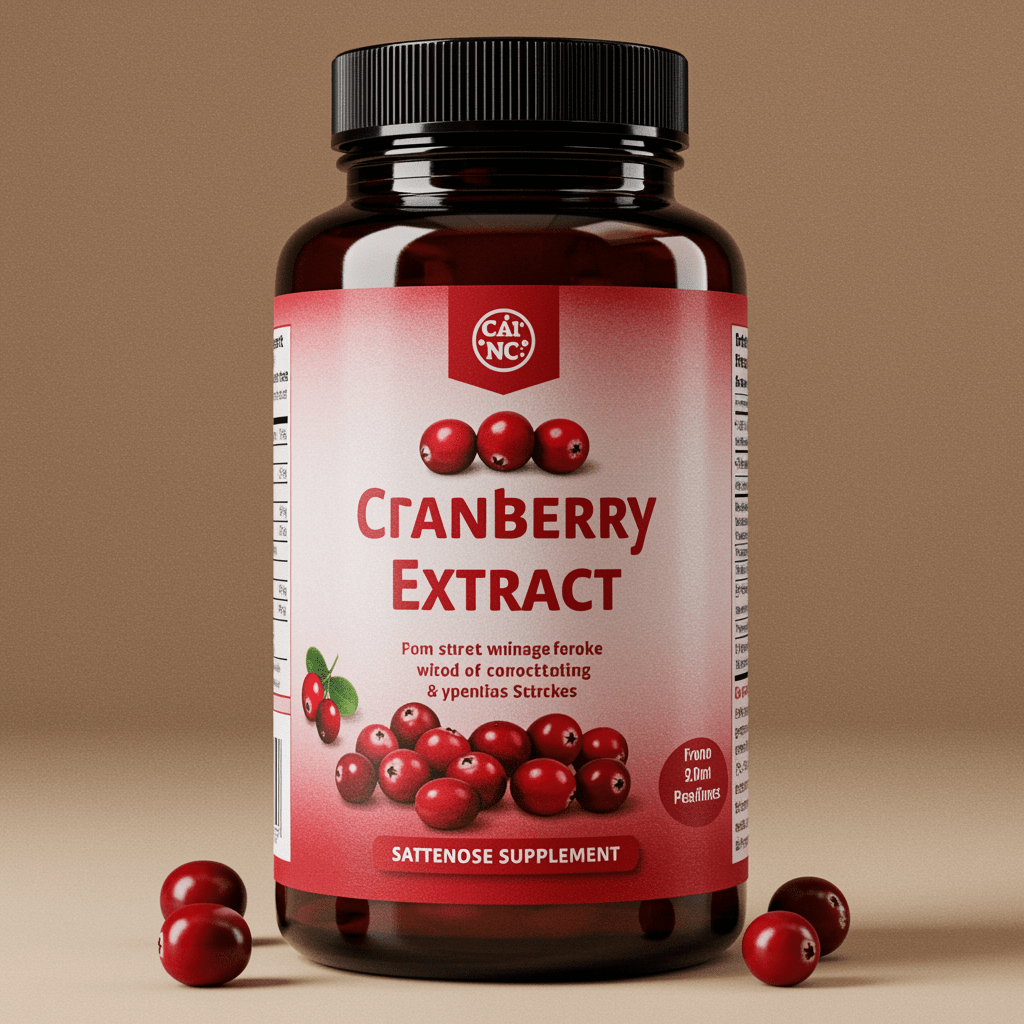
When selecting a cranberry extract supplement, look for products that specify the amount of PACs per serving, usually measured in milligrams. A common recommendation derived from research is a daily intake ranging from 36 mg to 72 mg of PACs. Always adhere to the manufacturer’s recommendations or, better yet, consult with a healthcare professional.
Remember that while a good multivitamin can ensure you’re getting essential vitamins and minerals for overall vitality, cranberry extract is a targeted supplement for specific urinary health concerns. It’s an addition, not a replacement, for a balanced diet and healthy lifestyle.
Beyond Cranberry: Holistic Urinary Health
Cranberry extract should be viewed as part of a comprehensive approach to urinary health, which also includes:
- Hydration: Drinking plenty of water helps flush bacteria from the urinary tract.
- Hygiene Practices: Proper hygiene can significantly reduce the risk of bacterial entry.
- Balanced Diet: A diet rich in vitamins and minerals supports overall immune function and general health.
- Regular Healthcare Check-ups: Addressing underlying health conditions and getting professional advice is paramount.
For more insights into maintaining optimal health, explore our articles on immune system booster vitamins and holistic wellness.
Potential Side Effects and Interactions
Cranberry extract is generally considered safe for most people. However, some individuals might experience mild digestive upset. More importantly, cranberry can interact with certain medications, particularly blood thinners like warfarin, potentially increasing the risk of bleeding. Always discuss any new supplements with your doctor, especially if you are on medication or have existing health conditions. This is a critical step in responsible healthcare management.
Conclusion: A Promising Ally for Urinary Health
The question “Does cranberry extract prevent UTIs?” doesn’t have a simple yes or no answer, but the evidence strongly suggests it can be a valuable preventative tool for many, especially those susceptible to recurrent infections. With its unique PACs working to prevent bacterial adhesion, cranberry extract offers a natural, non-antibiotic strategy to support urinary health. It’s not a cure-all, nor is it a substitute for medical treatment of an active infection, but as a proactive supplement, its benefits are increasingly recognized.
Understanding the scientific backing and limitations of supplements like cranberry extract is key. When combined with good hydration, hygiene, and a focus on overall health supported by adequate vitamins and minerals, cranberry extract can play a meaningful role in your healthcare regimen. Always remember to prioritize high-quality supplements and consult with a healthcare provider for personalized advice.
Stay informed, make evidence-based choices for your health, and empower yourself with knowledge.
Ready to unlock more insights into health, wellness, and cutting-edge information? Subscribe Now to our newsletter and join a community dedicated to informed living and optimal well-being!
Frequently Asked Questions (FAQ)
Q: Is cranberry juice as effective as cranberry extract for UTIs?
A: Generally, no. Cranberry extract is significantly more concentrated in active proanthocyanidins (PACs) than cranberry juice. Many cranberry juices also contain high amounts of sugar, which is not beneficial for overall health.
Q: Can I take cranberry extract if I’m pregnant?
A: Some studies suggest cranberry extract can be safe and beneficial during pregnancy for UTI prevention. However, it is crucial to consult your healthcare provider before taking any supplements during pregnancy.
Q: How long does it take for cranberry extract to work?
A: Cranberry extract works by preventing bacterial adhesion, so its benefits are primarily preventative and depend on consistent intake. It is not designed to treat an active UTI, which typically requires antibiotics.
Q: Does cranberry extract provide vitamins and minerals?
A: While cranberries themselves contain some vitamins and minerals, cranberry extract supplements are primarily standardized for their PAC content, not for their vitamin and mineral profile. For broader nutritional support, a multivitamin is usually recommended.
Q: Are there any specific types of cranberry extract to look for?
A: Look for supplements that specify the amount of A-type proanthocyanidins (PACs) per serving, ideally in the range of 36 mg to 72 mg per day, as this is the clinically studied effective dose. Quality and standardization are key in healthcare supplements.



Leave a comment