No products in the cart.

The role of antioxidants in health maintenance has been widely recognized in recent years, particularly in their capacity to mitigate oxidative stress and promote cellular longevity. Multivitamins enriched with antioxidant compounds offer a strategic advantage for those seeking comprehensive health benefits, including immune system support, anti-aging effects, and digestive wellness. By combining vital vitamins with potent antioxidants, these supplements contribute to enhanced cellular repair mechanisms and resilience against environmental stressors.
This article explores how antioxidant-rich multivitamins enhance overall health, the specific ingredients that target anti-aging, and how integrating antioxidant foods into your diet can complement supplementation. Additionally, we delve into the latest scientific findings for 2026 on the evolving landscape of vitamin and supplement efficacy.
Antioxidants are molecules that neutralize free radicals—unstable compounds generated from metabolic processes and external exposures like pollution. Excess free radicals accelerate cellular damage, contributing to aging and chronic diseases. Multivitamins fortified with antioxidants help reduce this oxidative burden, enhancing cell repair and protection.
Common antioxidant components in multivitamins include Vitamins C and E, selenium, zinc, and beta-carotene. Vitamin C supports collagen synthesis and immune response, while Vitamin E protects cell membranes from damage. Selenium and zinc are critical for enzymatic antioxidant activity and immune system fortification.
Antioxidants in multivitamins facilitate the repair of oxidative DNA damage, a principal driver of cellular aging. By preserving mitochondrial function and reducing inflammation, these nutrients support healthy aging and longevity, making them vital components of any anti-aging health strategy.
Oxidative stress can impair the immune system and digestive tract integrity. Antioxidant-rich vitamins enhance immune cell function and promote a balanced gut microbiome, contributing to overall wellness. For a detailed exploration on immunity, see Boost Immunity with Vitamins and Antioxidants Synergy.
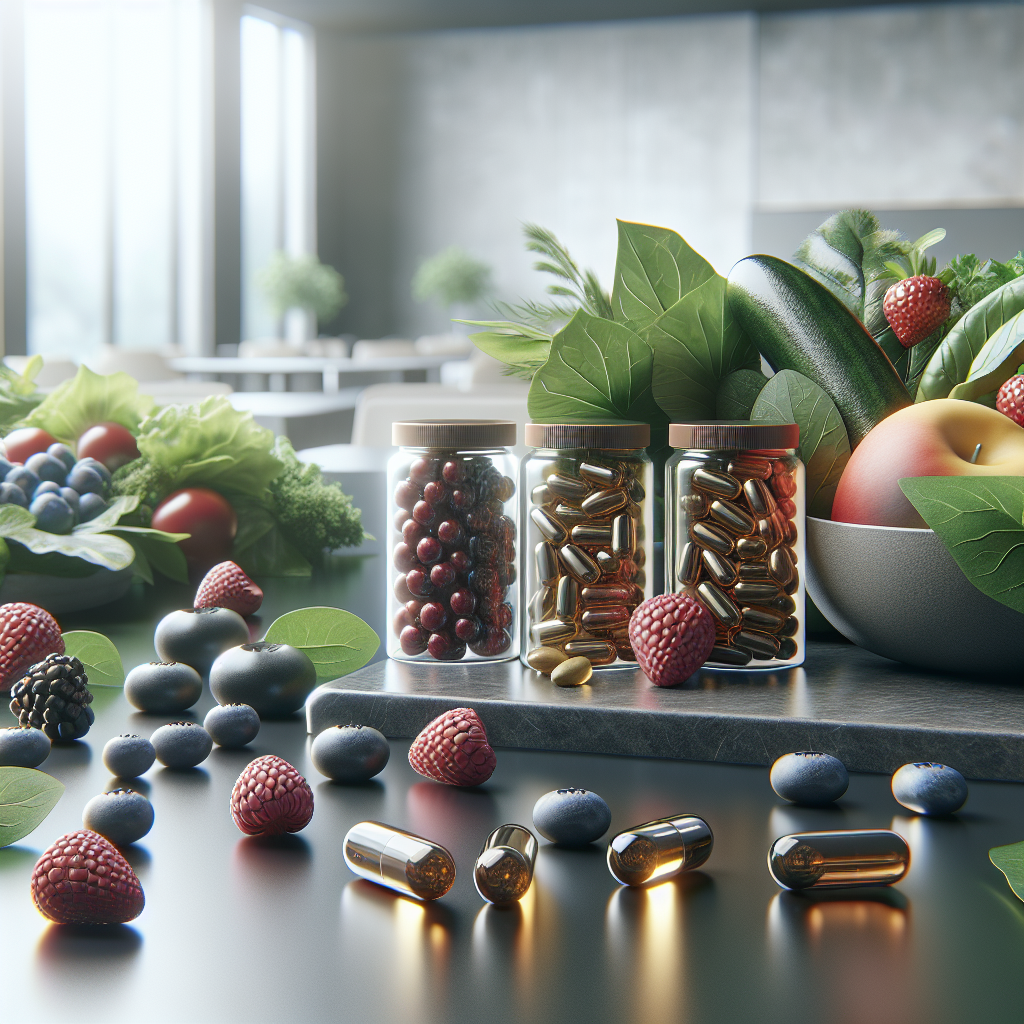
While multivitamins provide targeted antioxidant support, incorporating antioxidant-dense foods such as berries, nuts, dark leafy greens, and green tea further maximizes health benefits. This balanced approach ensures a wide range of phytochemicals and micronutrients contributing to cellular protection.
Advancements in delivery systems such as liquid vitamins improve nutrient bioavailability. Liquid formulations facilitate superior absorption of antioxidants and vitamins, enhancing their health impacts. For more information on these innovations, consult Liquid Vitamins Benefits: Maximize Health and Absorption.
Research in 2026 emphasizes personalized supplementation and nutrient timing to enhance antioxidant function. Novel formulations are being developed to maximize cellular uptake and target age-related health concerns more effectively. This evolving science underscores the importance of selecting multivitamins with evidence-based antioxidant profiles tailored to individual needs.
Antioxidant-rich multivitamins represent an essential component of a multifaceted approach to health, providing significant support in cellular repair, immune defense, and anti-aging processes. By combining these supplements with a nutrient-rich diet and considering advanced delivery forms like liquid vitamins, individuals can optimize their health outcomes. Staying informed about the latest research and innovations will further empower effective supplementation strategies for longevity and vitality.
Vitamins C and E, selenium, zinc, and beta-carotene are among the most effective antioxidants commonly included for their proven roles in reducing oxidative stress and supporting immune and cellular health.
While they cannot stop aging entirely, antioxidant multivitamins help slow the process by protecting cells from oxidative damage and supporting repair mechanisms linked to longevity.
No, supplements are best used to complement a diet rich in antioxidant-containing foods to ensure a broad spectrum of nutrients and phytochemicals for optimal health.
Liquid multivitamins often offer better nutrient absorption compared to tablets or capsules, making them an effective option to maximize antioxidant and vitamin uptake.
Consistency is key; daily intake as recommended by the manufacturer or healthcare provider typically yields the best benefits.


Leave a comment